The First Hour After a Wreck in Lewisville: What to Do, In Order
The decisions you make in the first ten minutes protect you more than anything that happens after.
September 9, 2026 · 4 min read
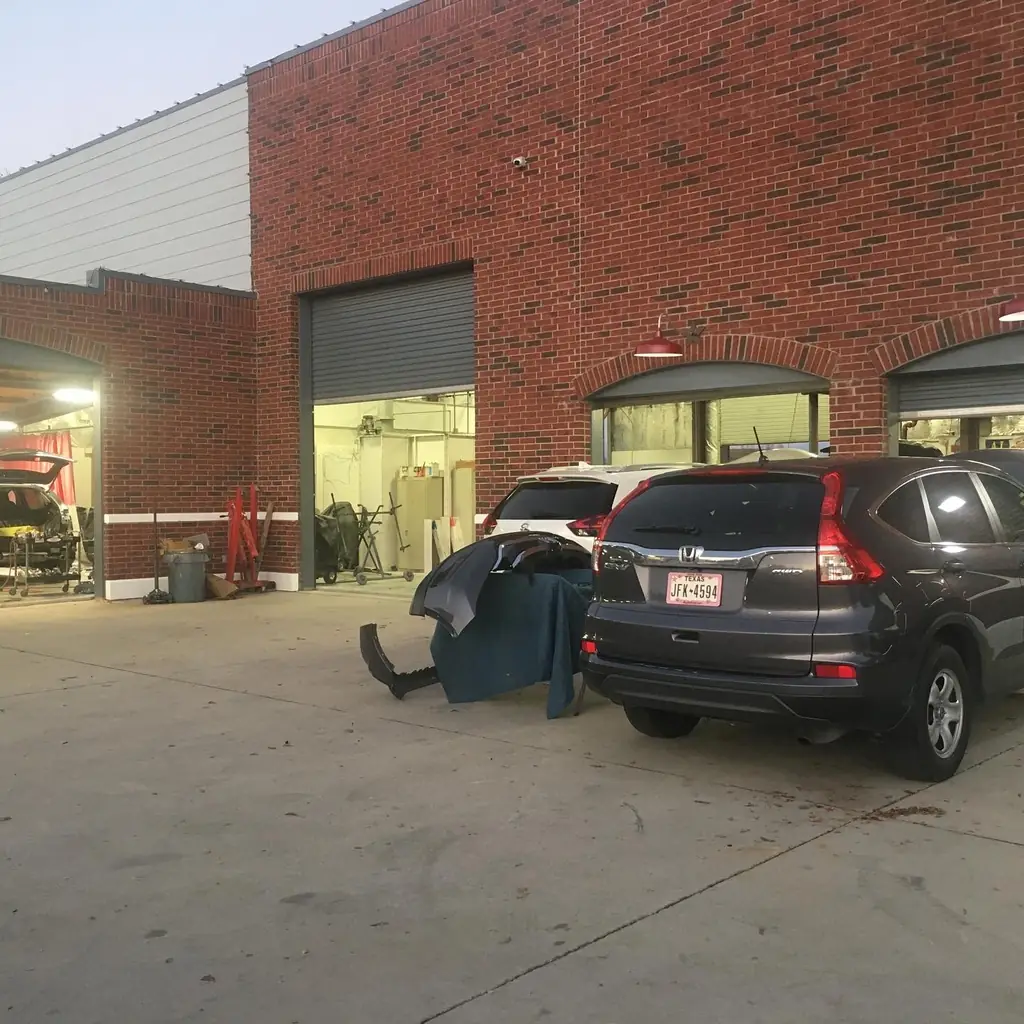
A wreck scrambles your thinking. Adrenaline does that on purpose, it is built to get you out of danger fast, not to help you make good decisions about insurance and paperwork ten minutes later. That is exactly why having an order of operations matters more than trying to remember every step. Here is what actually needs to happen, in the order it needs to happen, if you are ever sitting on the shoulder of a Lewisville road wondering what comes next.
Get Safe Before You Get Organized
Move if you can. If the car still drives and nobody is hurt, get it off the traffic lane and onto the shoulder or a nearby parking lot before you do anything else. A stopped car in a live lane on a road like FM 3040 or Round Grove Road is the single biggest risk in the whole situation, more dangerous than the crash that already happened. Put hazards on. If you are stuck where you are, stay in the car with your seatbelt on unless there is a fire or fuel smell, and get everyone's attention with hazards and, if you have them, road flares or triangles.
Check yourself and your passengers before you check the car. Adrenaline hides pain. Neck and back injuries in particular can feel like nothing for the first twenty minutes and then get very real. If anything feels off, say so to the responding officer or EMS rather than toughing it out.
What to Photograph, and Why It Matters Later
Your phone is doing two jobs here: proving what happened, and giving your body shop enough information to write an accurate estimate before your car is even on a lift. Take more photos than feels necessary.
- Wide shots of both vehicles from all four corners, showing where they ended up relative to lane lines and any traffic signals
- Close-ups of every point of contact, including anything that looks minor
- The other driver's license plate, and their insurance card if they hand it to you
- Any skid marks, debris field, or damaged property nearby
- The street signs or a landmark that fixes the exact location
Photos taken now, before a tow truck moves anything, are worth more than a description written from memory a week later.
Exchanging Information the Right Way
Get the other driver's name, phone number, insurance company, and license plate. Give the same to them. Keep it factual and brief. This is not the moment to work out whose fault it was, that gets sorted by the insurance companies and, if needed, the police report, not by two shaken up people negotiating on the roadside. If a passenger or witness saw it happen and is willing to give you a number, take it. A short statement from someone with no stake in either car's outcome can settle a disputed claim fast.
If there is any injury, any disagreement about what happened, or if either car is not drivable, call the police and get a report filed. Officers respond to exactly these situations, and a written report from the scene is worth far more than either driver's memory of it a month into a claim.
When the Car Should Not Be Driven
Some damage is obviously bad. Some looks fine and is not. A few signs mean the car needs to go on a flatbed rather than be driven anywhere, even a mile down East Main:
- A wheel sitting at an angle it did not sit at before
- Fluid pooling under the car that was not there when you parked
- A hood that will not latch shut, or a trunk that pops open on its own
- Any smell of gas, or steam or smoke from under the hood
- A tire that has been pushed sideways into the wheel well
If your car has any of these, do not try to nurse it home. A bent suspension component or a compromised fuel line can fail completely with no warning, and towing it now is cheaper than the second problem it can cause on the drive.
Who to Call
Once everyone is safe, the report is filed if you need one, and you have your photos, call your shop. We would rather talk you through it while you are still standing on the shoulder than have you guess at the next step alone. If the car needs to be towed and it is outside our regular hours, our 24 hour emergency towing line answers at (972) 219-7090. During the day, call us directly at (214) 222-3141 and we will walk you through getting it to us on East Main and get you started on an estimate.
Alex Paint & Body Shop, (214) 222-3141
Call (214) 222-3141More articles
Hail Damage and Paintless Dent Repair: How to Tell What Your Car Actually Needs
Most storm damage is exactly what paintless dent repair was built for, once you know how to tell the difference.
What That Warning Light Actually Means, and Why Guessing at Parts Gets Expensive
A code points at a system, not a part, and that gap is exactly where a proper diagnosis earns its keep.