What That Warning Light Actually Means, and Why Guessing at Parts Gets Expensive
A code points at a system, not a part, and that gap is exactly where a proper diagnosis earns its keep.
September 9, 2026 · 3 min read
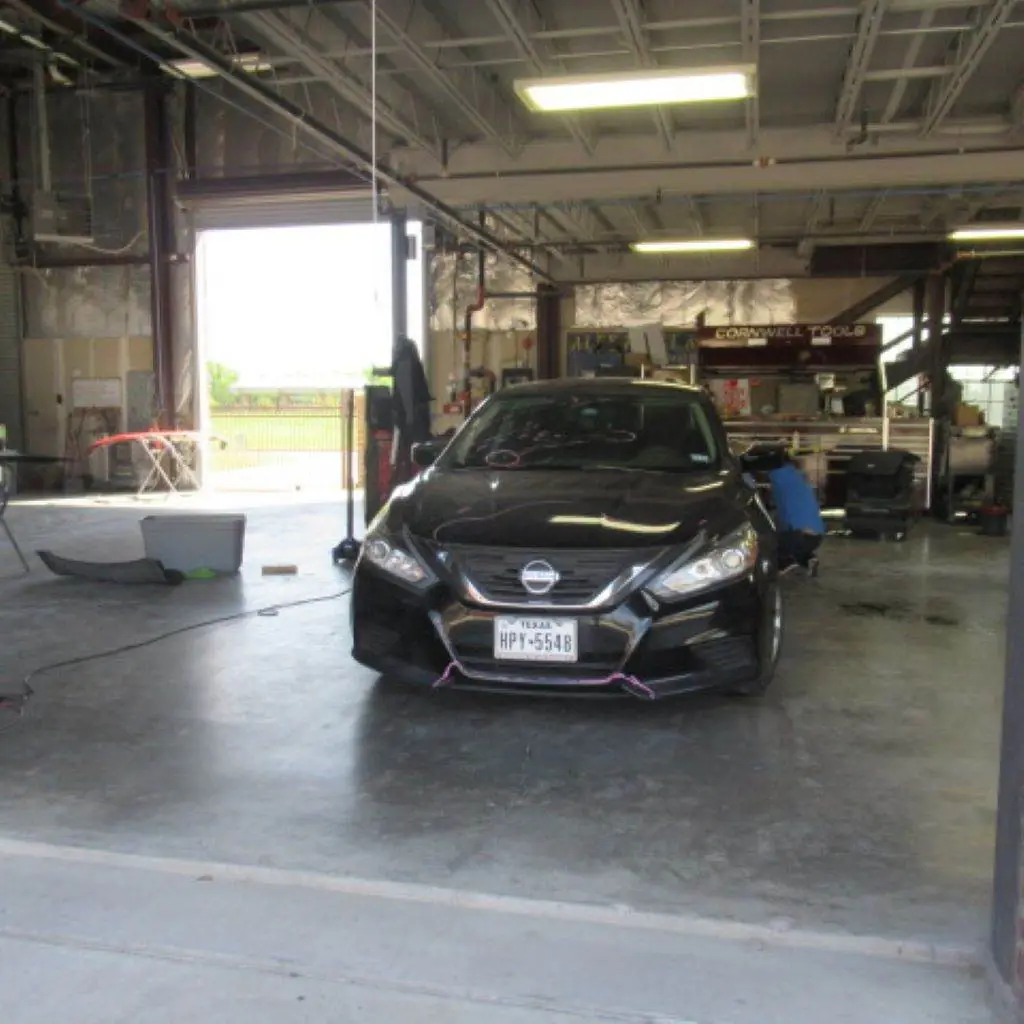
The check engine light comes on and the first instinct is to search the code number online and see what part it says to buy. That instinct is understandable, and it is also how a lot of money gets spent on parts that were never the problem. A code points at a system, not a part, and the gap between those two things is exactly where a proper diagnosis earns its keep.
A Code Is a Starting Point, Not an Answer
When a warning light comes on, the car's computer has logged a code describing a condition it does not like, a sensor reading outside its expected range, a circuit that is not behaving, a system that is not reaching the values it expects. What the code does not tell you, on its own, is why. A code for a lean fuel mixture could mean a vacuum leak, a failing oxygen sensor, a clogged injector, or a dozen other things upstream of that one number. Reading the code is step one of a diagnosis, not the whole diagnosis, and treating it as the whole thing is how people end up replacing a sensor twice and still driving around with the light on.
How a Real Diagnosis Actually Works
A proper diagnostic process starts with the code but does not stop there. It means pulling live data while the engine runs and watching how the actual values behave against what they should be, checking related systems that could be causing the symptom rather than just displaying it, and in a lot of cases physically inspecting wiring, connectors, vacuum lines, and hoses that a scan tool cannot see for itself. It is closer to a doctor reading symptoms and running the right tests than it is to typing a code into a search bar. Done right, it points at the actual failed part, not just the system it lives in, before anything gets replaced.
The EVAP Light Nobody Explains Well
One of the most common lights we see, and one of the most misunderstood, is an EVAP code. EVAP stands for evaporative emissions, the system that captures gasoline vapor from your fuel tank instead of letting it vent into the air, and routes it back into the engine to be burned instead of wasted. It is a sealed system, which means it depends on everything staying properly closed, and the single most common cause of an EVAP code, by a wide margin, is a gas cap that is not sealing. Not tightened enough, cracked, or worn out at the seal.
The system can also throw the same family of code for a genuine leak somewhere else in the evaporative lines, canister, or purge valve, and that is where testing matters, because a technician can pressure or smoke test the system and actually find where it is losing its seal instead of replacing parts in sequence and hoping. An EVAP light rarely means your car is in danger, but it does mean something in that sealed system is not sealed, and it is worth finding out what before it becomes a bigger headache.
Why Guessing at Parts Costs More, Not Less
Guessing at parts feels faster because you are doing something immediately. It is usually slower and more expensive in the end. Every part replaced that was not the actual failure is money spent with the light still on, plus labor to install it, plus the frustration of your car sitting with a problem that still is not fixed. We have had customers come in after buying and installing a part or two themselves based on a code reading, still with the same light on, and the actual fix ends up being something the original code never even pointed at directly.
Bring It In Before You Guess
If a light comes on, the straightest path is almost always the direct one: bring the car in and let us actually diagnose it before anything gets bought or replaced. We will pull the codes, check the live data, and tell you what is actually going on rather than what the code number alone suggests. Call us at (214) 222-3141 or bring it by the shop on East Main in Lewisville, and we will get it on the machine and tell you the truth about what it needs.
Alex Paint & Body Shop, (214) 222-3141
Call (214) 222-3141More articles
The First Hour After a Wreck in Lewisville: What to Do, In Order
The decisions you make in the first ten minutes protect you more than anything that happens after.
Hail Damage and Paintless Dent Repair: How to Tell What Your Car Actually Needs
Most storm damage is exactly what paintless dent repair was built for, once you know how to tell the difference.