How a Collision Repair Job Actually Runs, Start to Finish
A collision repair touches structure, paint, and electronics, and each step depends on the one before it being done right.
September 9, 2026 · 3 min read
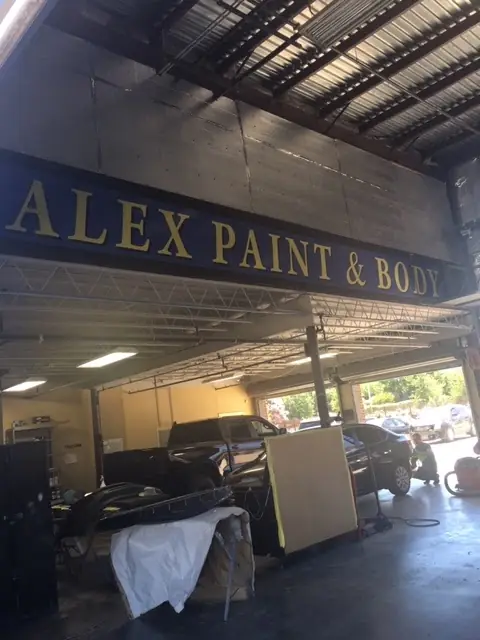
A collision repair estimate is usually written from what a technician can see with the car sitting still and mostly intact. The actual repair often turns out to be a more complete job than that first number suggested, and that is not a shop padding the bill, it is how collision repair genuinely works. Here is what actually happens between the day you drop the car off and the day you pick it up.
The Estimate Is a Starting Point, Not the Whole Story
The first estimate is built from a visual inspection and, these days, usually some measurements and photos. It covers everything visible and reasonably inferable from the damage pattern. What it cannot cover is anything hidden behind a bumper cover, under a fender liner, or inside a door skin, because nobody can see through sheet metal. That is normal, expected, and part of why the next step exists.
Teardown: Where the Real Damage Gets Found
Before any repair work starts, damaged panels and trim come off the car. This is teardown, and it is where a technician finds what the estimate could not: a bent bracket behind a bumper, a cracked radiator support, a wiring harness that took an impact nobody could see from outside. On a car that hit a deer or took a hard hit at any real speed, hidden damage behind the first layer of panels is common, not the exception. When teardown finds something new, the estimate gets revised, and depending on your insurance, that revision usually needs approval before work continues.
Ordering Parts, and Why That Step Cannot Be Rushed
Once the full scope of damage is known, the right parts get ordered, whether that is factory panels, glass, or specific hardware for your exact trim level. This step is largely out of a shop's hands on timing. Parts availability depends on the manufacturer and the part, and a shop chasing a backordered piece is waiting on the same supply chain everyone else is waiting on. It is worth knowing this step exists so that if your car sits for a stretch with no visible work happening, it is very likely parts in transit, not a shop that forgot about your car.
Panel Work and Getting the Metal Right
With parts in hand, the actual bodywork starts. Damaged panels get repaired where that is the right call, straightened, and metal-finished back to their original shape, or replaced outright when the damage is too severe to bring back safely. This stage restores structural integrity, not just cosmetic shape, because a panel that looks straight but is not properly aligned underneath can affect how the car handles a future impact. Getting this stage right is the difference between a car that looks fixed and a car that actually is.
Refinishing: Matching a Color That Already Exists
Paint is its own craft inside collision repair. Every factory color has a formula, but that formula shifts slightly with age, sun exposure, and the specific panel's history, so matching new paint to a car that has been on Texas roads for a few years is not as simple as looking up a code and mixing it. A technician tints and tests against the actual car, then blends the new paint into the surrounding original panels so the transition is invisible rather than matching only the one panel that got hit. This step decides whether a repair looks factory or looks repaired, and it takes real skill to do properly.
Reassembly and the Final Clean
Once paint has cured, everything comes back together: trim, lights, sensors, badges, all reinstalled and tested. Anything electronic that got disconnected during the repair, cameras, sensors, lighting, gets checked to confirm it is working and, where the car requires it, recalibrated. Then the car gets cleaned, inside and out, before it goes back to you. That is not a small detail we throw in for polish, it genuinely matters to us that a car that came in after a bad week goes home looking cared for, not just repaired.
Walking Out With Your Car
A repair like this touches structure, paint, electronics, and trim, and every one of those steps depends on the one before it being done right. It is a more involved process than most people expect walking in, and it is worth understanding why, rather than wondering what is taking so long. If your car is going through this right now, or needs to start, call us at (214) 222-3141 and we will walk you through exactly where it stands and what happens next, plainly, at every stage.
Alex Paint & Body Shop, (214) 222-3141
Call (214) 222-3141More articles
The First Hour After a Wreck in Lewisville: What to Do, In Order
The decisions you make in the first ten minutes protect you more than anything that happens after.
Hail Damage and Paintless Dent Repair: How to Tell What Your Car Actually Needs
Most storm damage is exactly what paintless dent repair was built for, once you know how to tell the difference.